From zero to over 570 direct and indirect jobs already created across the agritech supply chain for women, young people and persons with disabilities. The programme deploys Productive Use of Energy solutions and resilient technologies to enhance agricultural productivity.
Participants from our agrarian communities are trained, organized into cooperatives, and empowered to own and operate climate-smart greenhouses across Enugu State.
The story of how a vision became a movement — empowering women, youth, and persons with disabilities through cooperative greenhouse ownership.
The EWAS (Energizing Women and Youths in Agri-Food Systems) programme was conceived to address the systemic barriers that excluded women, youth, and persons with disabilities from owning productive agricultural assets. The vision: create 10,000 jobs through 2,000 cooperative-owned greenhouses across Africa.
The Enugu State Government, under the administration of His Excellency Dr. Peter Ndubuisi Mbah, partnered with Manamuz and other strategic partners to pilot the programme. A contract for 150 greenhouses was secured — funded through an innovative lease-to-own model where farmers make no upfront investment.
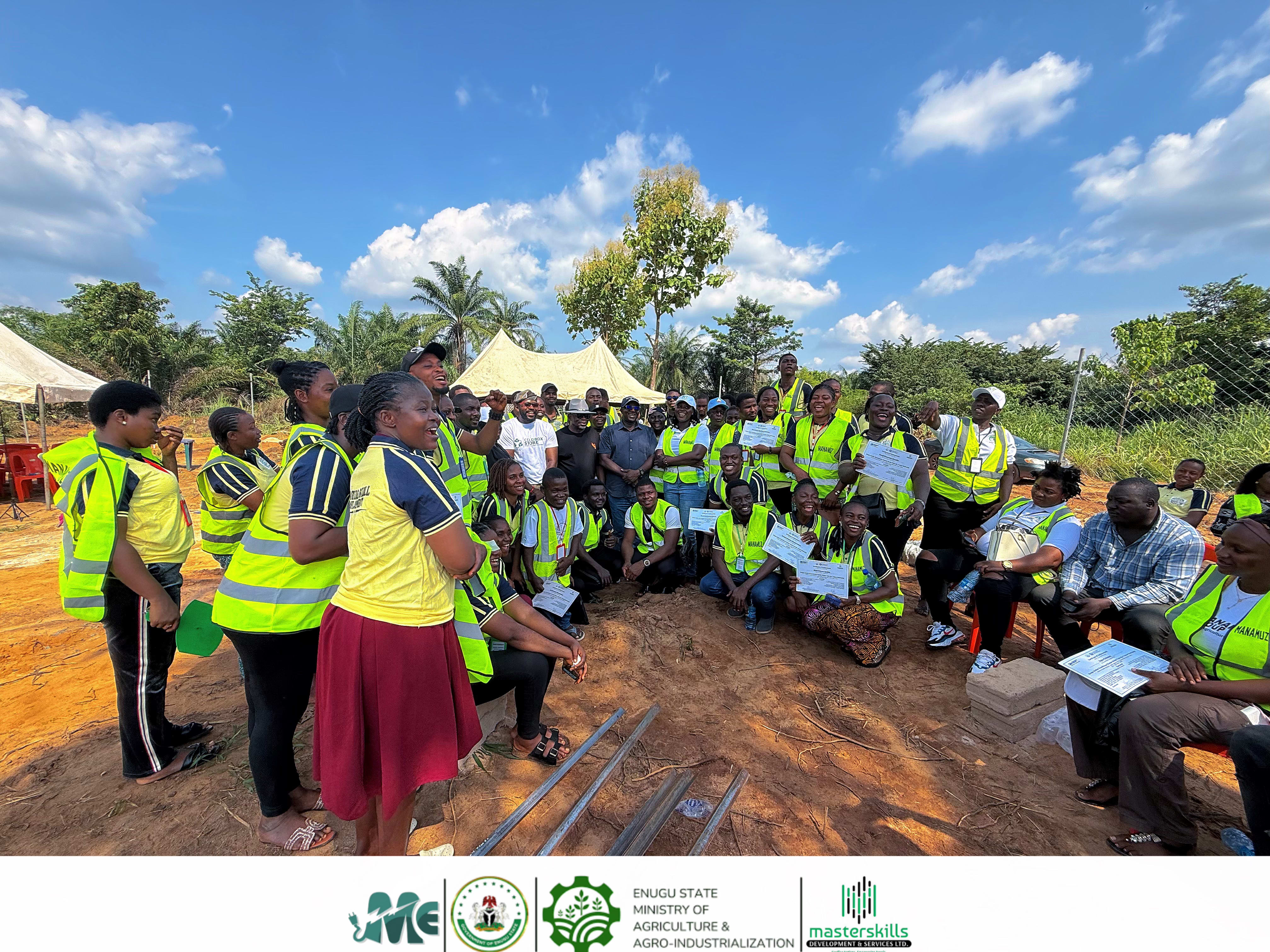
Two intensive training cohorts were completed — Cohort 1 (Pioneer Batch) and Cohort 2 (Train-the-Trainer). Women, youth, and persons with disabilities received hands-on training in climate-smart agronomy, greenhouse operations, cooperative governance, and agribusiness management.
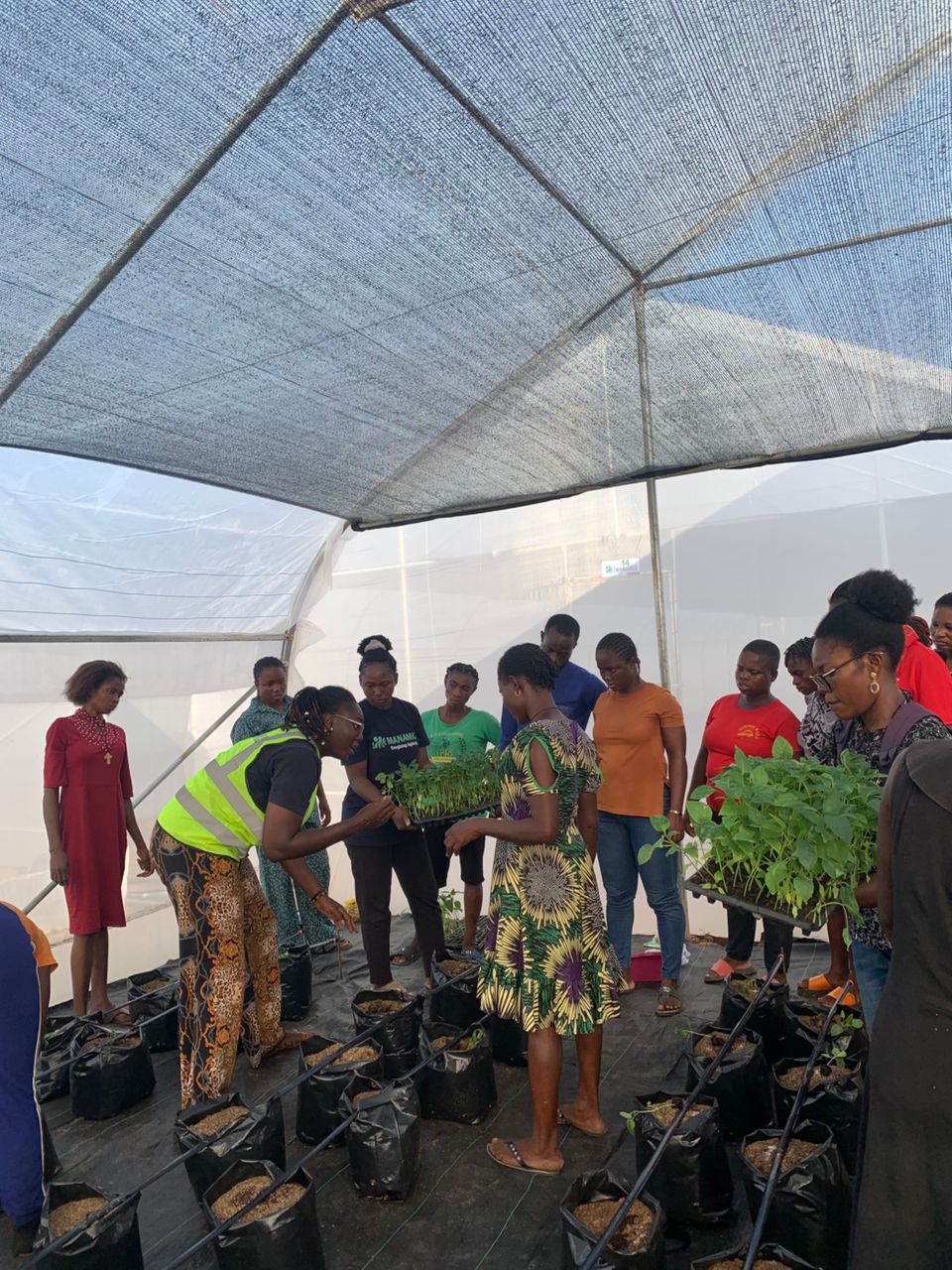
Trained participants organized themselves into 15 cooperative groups of approximately 15 members each, all under the umbrella of the Enugu State Energizing Women and Youths in Agri-Food Systems Farmers Multipurpose Cooperative Society. Each cooperative is assigned to own and operate one greenhouse.
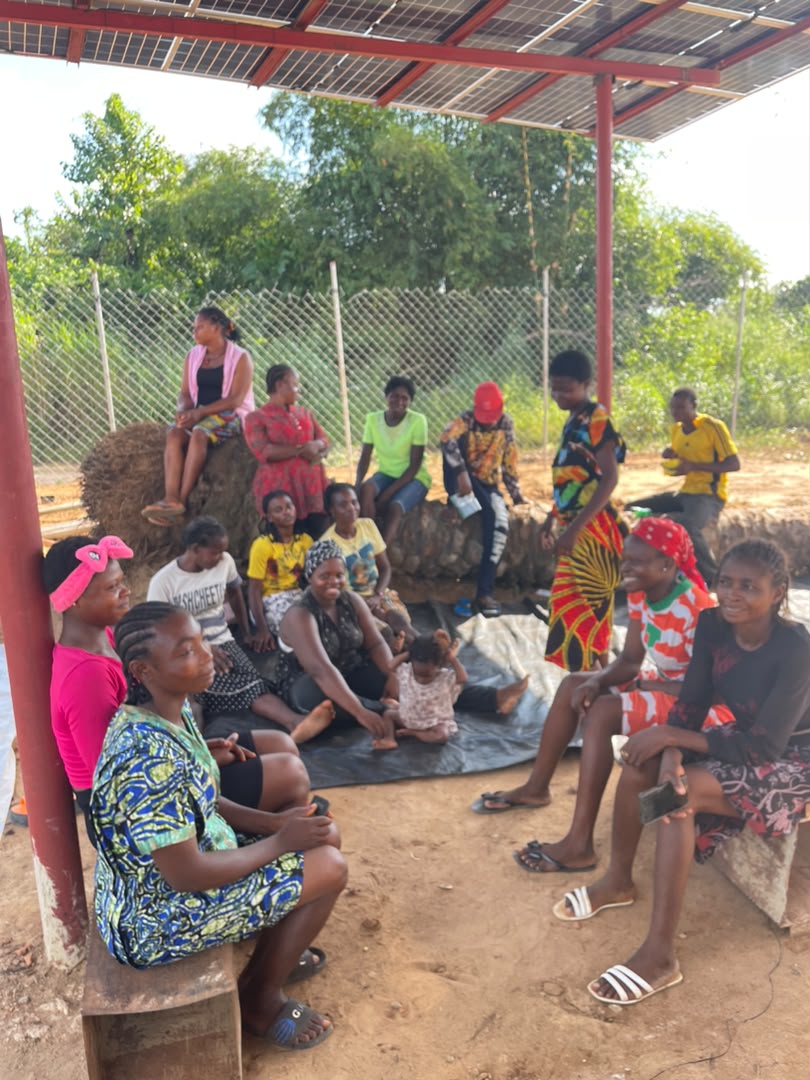
The first cluster of 15 climate-smart greenhouses was deployed at Ugwuomu Nike, complete with solar-powered irrigation, a Coldbox Store for cold-chain infrastructure, and provision for EV-enabled farm logistics. The 15 cooperatives are now active and operational.
One existing greenhouse and a land space capable of supporting up to 10 additional greenhouses have been fully integrated into the Enugu Anchor Greenhouse Cluster land bank, paving the way for immediate expansion through the EWAS programme.
Currently under development as an integral part of the EWAS programme, expanding the reach and impact of the cooperative model.
Land clearing has commenced on 3 hectares donated by the Enugu State Government at Owo for the remaining 135 greenhouses. This expansion will create opportunities for hundreds more women, youth, and persons with disabilities to join cooperatives and own greenhouses. The journey to 2,000 greenhouses and 10,000 jobs continues.
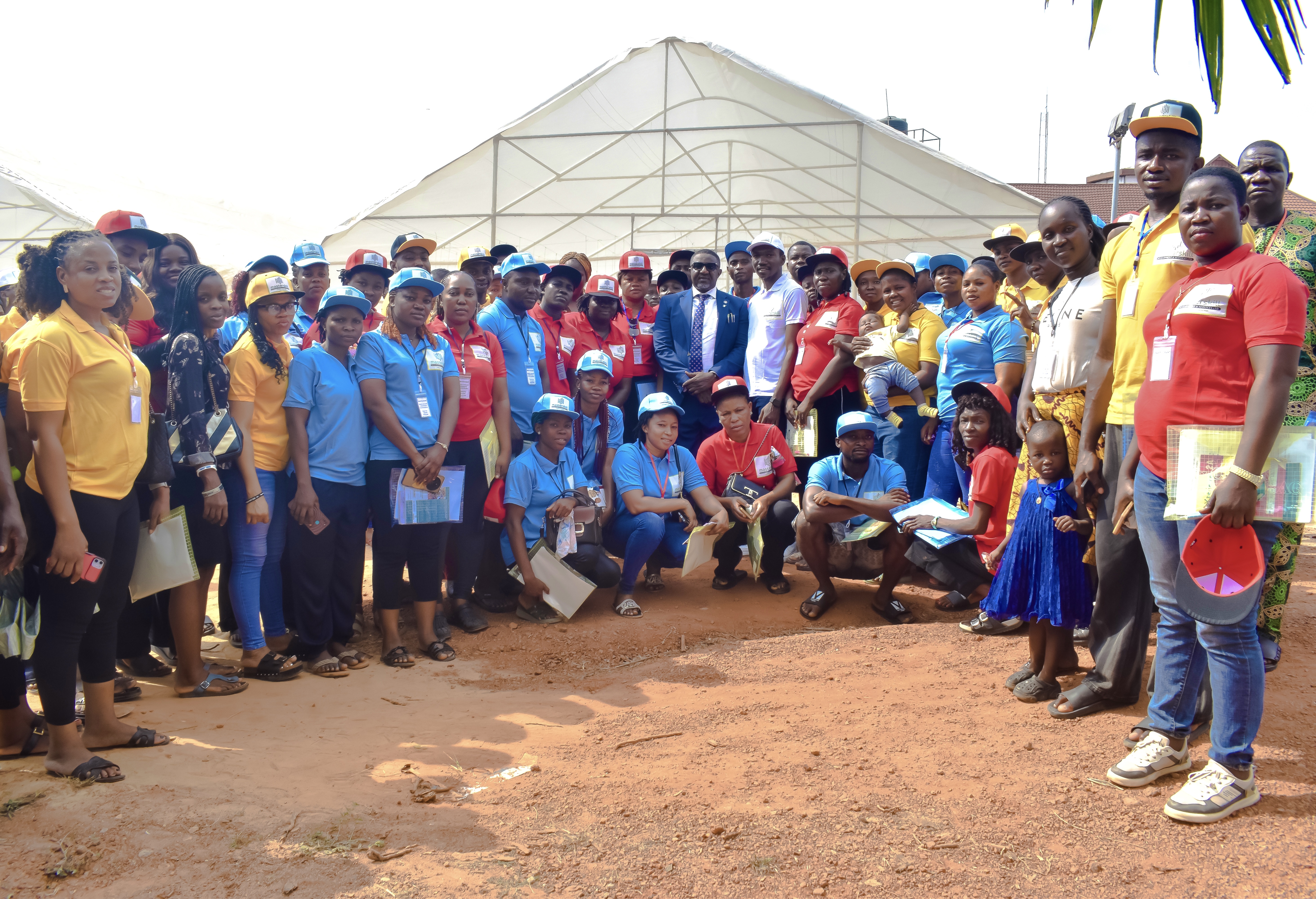
Every number represents a real person — a woman, a young person, a person with disability — whose life is being transformed through cooperative ownership.
Each cooperative owns and operates one greenhouse — 15 members per group, working together to build sustainable livelihoods and long-term asset ownership.
The umbrella cooperative organization for all 15 groups — collectively representing 225 members across Enugu State.
Cooperative 15
These are real women, real youth, and real persons with disabilities — building real futures through cooperative ownership.
A 15-unit cooperative greenhouse cluster integrating solar-powered irrigation, Coldbox Store infrastructure, and provision for EV-enabled farm logistics.
Through catalytic funding from the Enugu State Government, private-sector partners and development institutions, trained cooperative farmers gain access to climate-smart greenhouses without making an upfront capital investment. Farmers operate the greenhouses, earn income from each production cycle and gradually pay for the assets from an agreed portion of their earnings.
The Enugu State Government, in partnership with private-sector and development partners, provides catalytic financing for greenhouse infrastructure and supporting productive-use facilities.
Climate-smart greenhouses are manufactured locally, installed within designated farm estates and allocated to trained cooperative farmers under the lease-to-own programme.
Selected farmers are trained, organised into cooperatives and supported with production inputs, technical assistance and access to shared infrastructure to grow high-value crops throughout the year.
Produce is aggregated and supplied to structured off-take markets, helping farmers secure reliable market access, reduce post-harvest losses and generate income from each production cycle.
Farmers retain the larger share of the income generated from their harvests, while an agreed smaller portion is applied towards repayment of the greenhouse asset. With each payment, they build equity in the greenhouse.
Once the agreed asset cost is fully repaid, ownership is transferred to the farmer or cooperative. The recovered funds are reinvested to finance greenhouse assets for newly onboarded farmers.
Recovered capital returns to the financing pool, extending the same opportunity to the next group of cooperative farmers.
Farmers earn. Farmers build ownership.
Recovered capital finances the next generation of greenhouse farmers.
What we've achieved with 15 greenhouses is just the beginning. The path forward is already being paved — literally.
Land clearing has commenced on 3 hectares donated by the Enugu State Government at Owo, Nkanu East LGA. The remaining 135 greenhouses from the 150-greenhouse contract will be deployed here — creating space for hundreds more cooperative members.
0The Enugu Anchor Greenhouse Cluster pilot serves as proof of concept for a broader continental vision. Through the EWAS framework, the model is designed for replication across Africa, beginning in Enugu State, Nigeria. The vision is to deploy over 2,000 climate-smart greenhouses and create 10,000 sustainable jobs for women, young people and persons with disabilities in underserved agrarian communities, particularly those living below the poverty line.
0Every quarter, new bootcamp cohorts are trained — bringing more women, youth, and persons with disabilities into the cooperative framework. Each new member is a step closer to the 10,000 jobs target.
4×/yrThe ultimate goal — 10,000 sustainable agricultural jobs for the people who need them most. Not charity, but ownership. Not aid, but enterprise. Not temporary, but generational. Targeting people living below the poverty headcuts
0Whether you're a woman, a young person, or a person with disability — there is a place for you in the next cooperative. Apply for the next training bootcamp and start your journey to greenhouse ownership.
Apply for the Bootcamp →